Inkk Academy · AI Curriculum
Built by hand. Proven with AI. Taught so students repeat it.
Not a lecture on tools. An agent and a course-coding starter, built and tested on real work, then taught step by step on a student’s own portfolio.
The problem
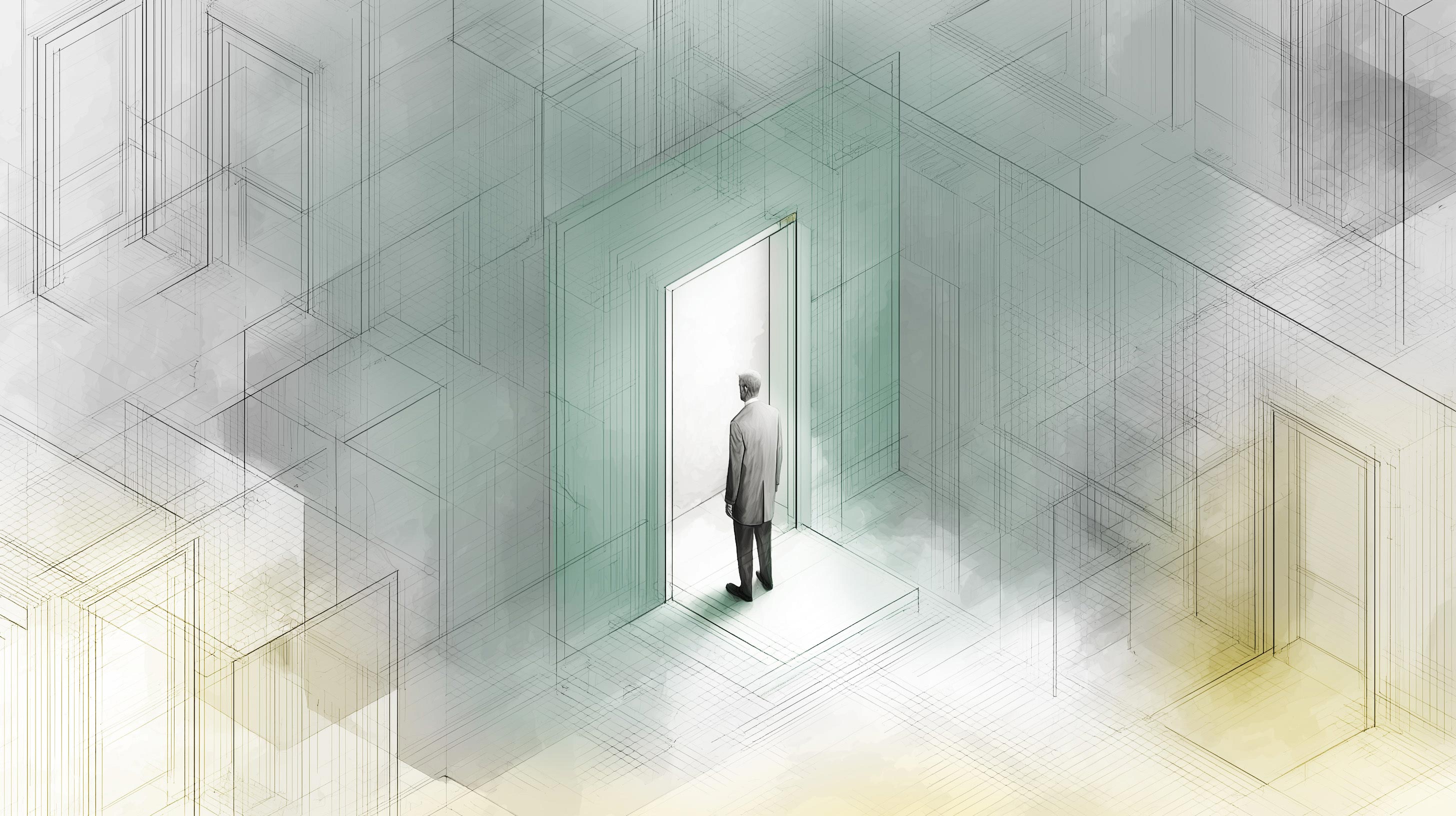
Design lost its craft. AI made that dangerous.
Design lost its craft foundation over the last decade. Portfolios became decks and case studies instead of visible work. That gap was embarrassing. AI made it dangerous. AI can now out-design a designer who has no craft judgment to direct it.
How might we teach designers a new way to work, grounded in craft and identity, so they stay essential to the work?
No craft foundation.
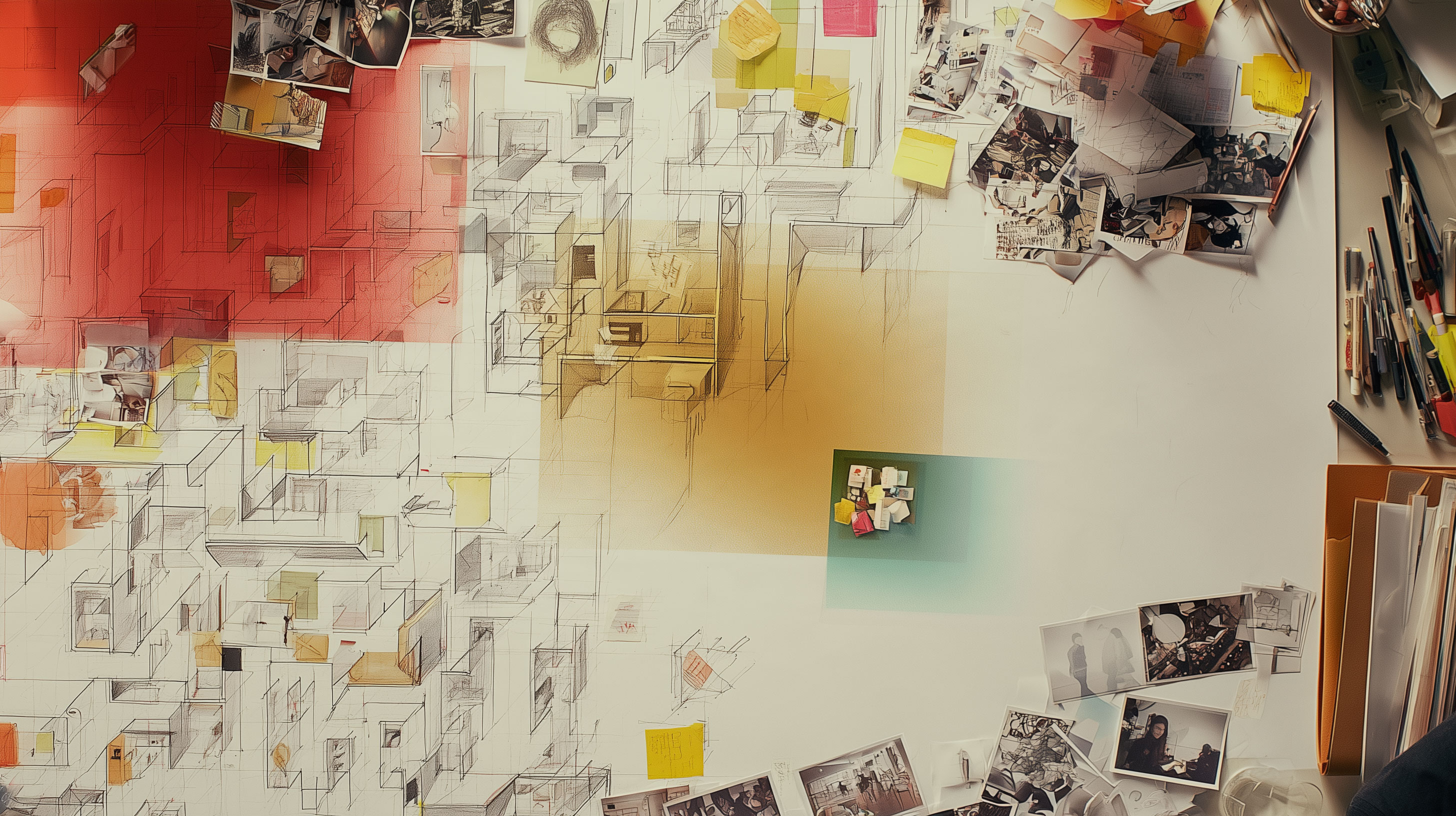
Design split into research, strategy, and design. The person who could do all three, and ship it, disappeared.
No visible work.
A case study explaining a process replaced a site that actually worked.
No uniqueness.
Look across the internet. Large corporations and a designer’s portfolio start to look the same. AI didn’t cause that. It’s making it worse.
The process
Teach it. Demo it. Build it. Review it. Then do it again.
Every live session runs the same cycle. Foundational teaching, paired with a live demo of the AI tool in use. Students immediately apply it to their own project, using the same tools shown in session. The next session opens with a roundtable, reviewing what got built before new material starts. Judgment and execution get built together. Not taught first and applied later.
Step 01
Teach
Foundational design thinking: color theory, brand archetypes, information architecture, layout.
Step 02
Demo
A live walkthrough of the AI tool for that step, from strategy agent to build tool.
Step 03
Build & Review
Students apply it to their own project as homework. The next session opens by reviewing it.
What was built
Two full courses. Held to a production standard.
Inkk Academy is two full courses: an AI-guided branding phase that turns real design judgment into a working brand foundation, and a build phase that takes locked designs into a real, deployed, maintainable site.
200+
Course 1 agent iterations
35+
Course 2 starter iterations
10
Businesses run through the pipeline
2
Courses, 9 sessions plus a bonus
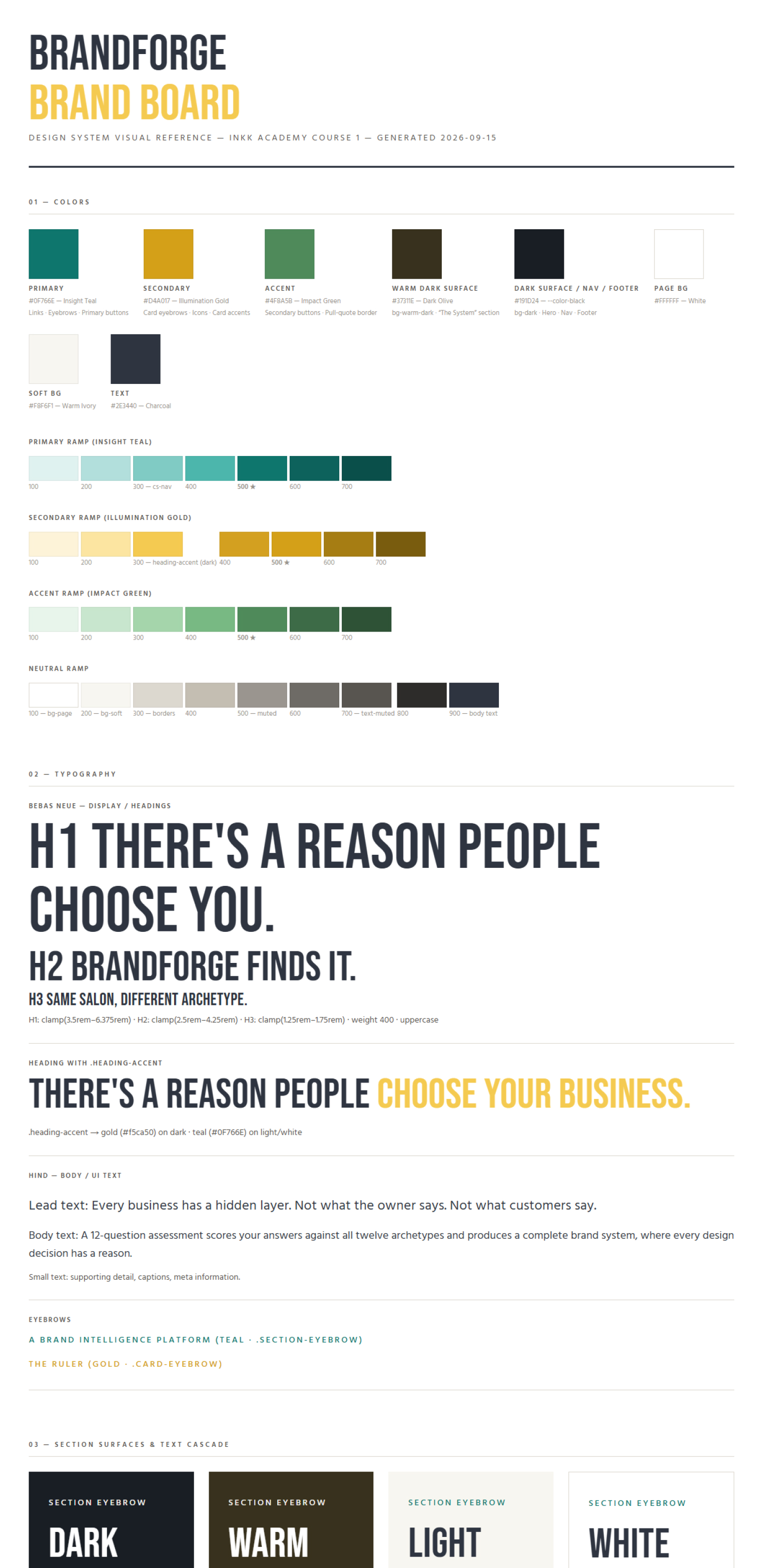
Course 1
Brand Yourself
Every phase starts with real design foundation: brand archetype, color theory, typography, positioning, information architecture. A structured AI interview runs at each phase, branding, strategy, imagery, navigation and content, translating that judgment onto the page instead of leaving it as instinct no one can see. The result exports as a Lovable prompt, refined by hand in Figma.
Learn more →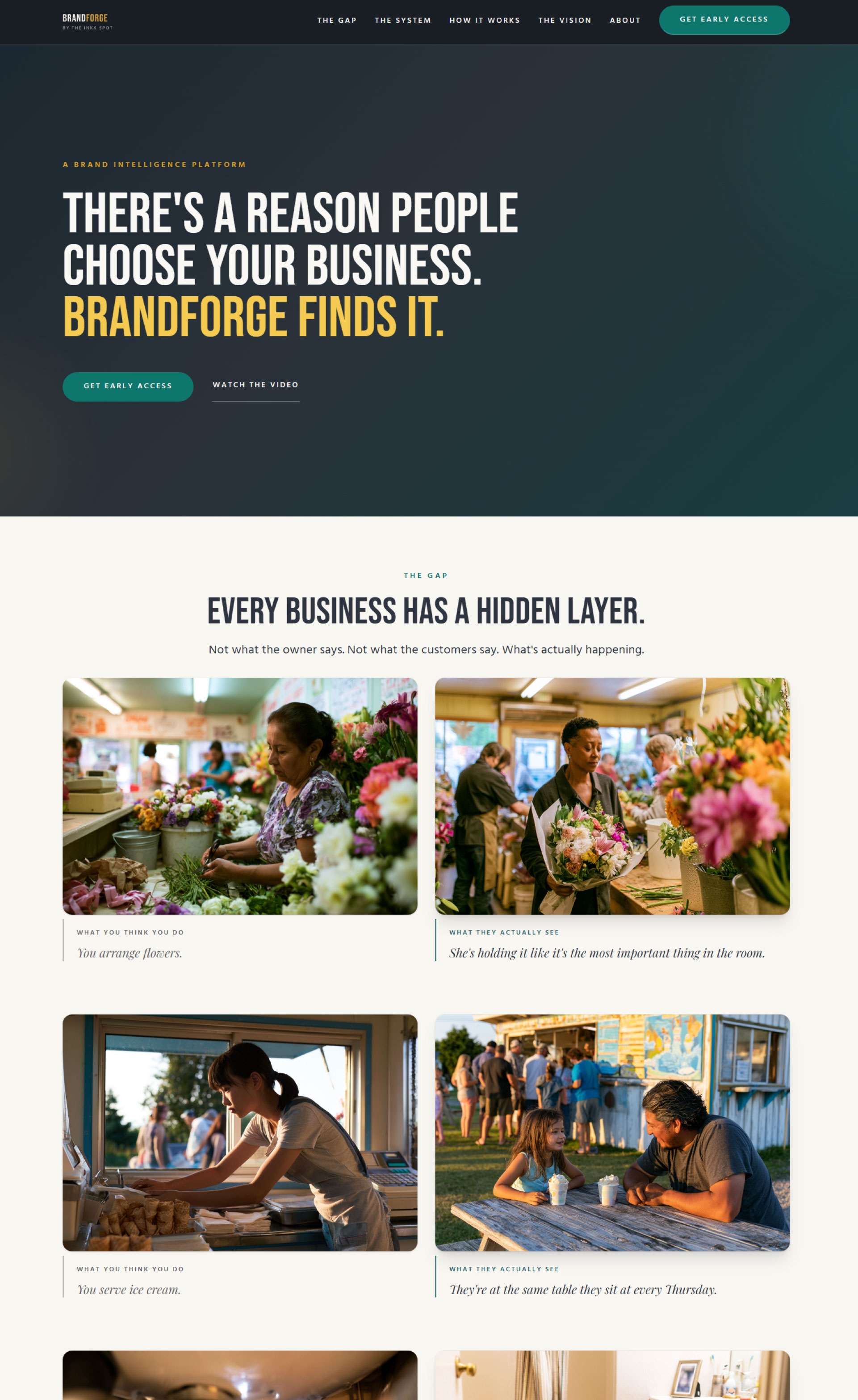
Course 2
Make It Real
Locked Figma designs become a real, built site: home page first, then the rest of the pages, then edits, mobile, and accessibility review, then a live domain. Students keep building after that, adding sections, adding pages, without needing to understand code or return to a visual tool.
Learn more →What happened
Everyone wants the magic pill. There isn’t one.
Everyone wants a shortcut past the hard parts of design. Vibe coding promises exactly that. It doesn’t deliver it. Two parts of this process have always been hard, long before AI existed, and they still are.
Generating Images
Finding the right image has never been easy. Years of manually compositing two or three photos in Photoshop made that clear well before AI existed. AI-generated imagery didn’t fix that. It just changed the tool.
Building the Site
Going from a mockup to a real, deployed site has always been difficult. AI makes it faster. It doesn’t make it magic. Some technical control has to stay in a real site, and that layer can’t be fully abstracted away, no matter what tool promises to remove it.
The teaching moment
The barrier is gone. There’s no going back.
It’s about teaching designers to have the judgment to use AI and build something that makes them stand out from the rest.
Before
Craft disappeared.
Design split into research, strategy, and execution as separate jobs. The person who could do all three and ship the result was gone. Portfolios became decks instead of proof.
After
Judgment directs the tool.
Real craft judgment ensures AI designs the right thing, for the right problem, for the right user. One person, one portfolio or an enterprise platform.
Beyond
Design education has to change.
The separation between thinking and making is gone. Programs still teaching them apart are preparing students for a profession that has changed.
Contact
Let’s talk about what your program needs next.
Direct conversation, no pitch deck. Tell me what your program is wrestling with and where it’s behind. I’ll respond with how the method addresses it.